Nobody types "best crm small agency pricing" into ChatGPT. They write "I run a 12-person marketing agency and we've outgrown spreadsheets, what CRM should we use?" Same buyer, same intent, entirely different research problem.
Prompt research is keyword research rebuilt for that sentence. Here is how prompts differ, where to find real ones, and how to build the set worth tracking.
What changes between a keyword and a prompt
The practical consequence: AI answers vary by persona and constraint, not just topic. A brand can win "best CRM for enterprises" prompts and be invisible in the agency phrasing of the same question, which is why prompt research works in personas from the start.
The five prompt sources
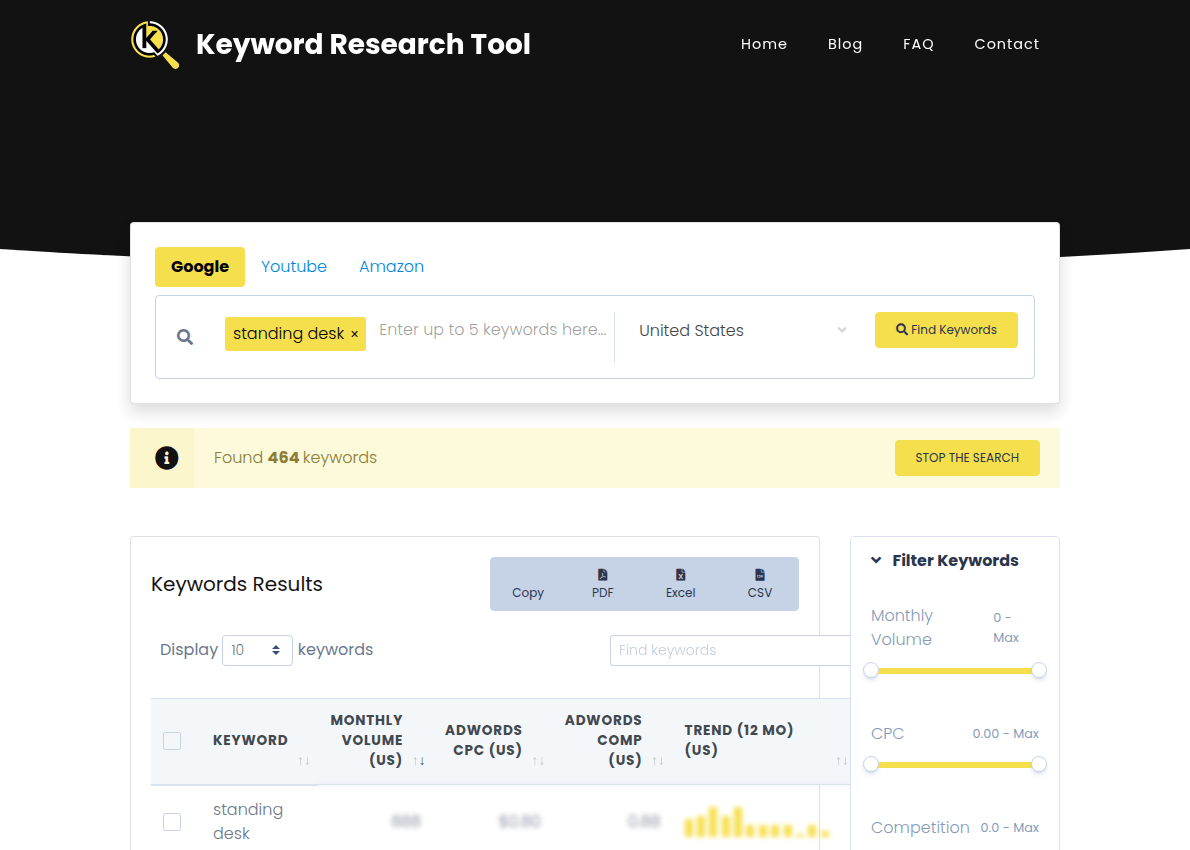
1. Your question keywords, expanded. Keyword data is still the best free proxy, because question keywords are prompts with the context stripped. Run your seeds through our keyword tool, harvest the question and long-tail phrasings, and re-inflate them: add the persona and constraint a real asker would include.
2. Communities, verbatim. Reddit threads and forum posts are prompts with usernames: full sentences, real constraints, actual phrasing. The way someone describes their problem to strangers is nearly identical to how they type it to an assistant.
3. The assistants' own suggestions. Follow-up chips and suggested questions inside ChatGPT, Perplexity and Google's AI surfaces are the platforms telling you what gets asked next. Harvest them per topic the way you would mine autocomplete.
4. Ask the model, then verify. "List 20 questions people in [situation] ask about [topic]" produces plausible prompt candidates fast. Treat them as hypotheses: keep the ones that match phrasings you can find in keyword data or communities, because models invent fluent questions nobody asks.
5. Prompt databases. The tracking tools increasingly ship prompt libraries sampled at scale, and the research-database approach lets you explore what the prompt universe asks about any brand or category. Use them for coverage checks against the set you built yourself.
Build the matrix
Prompt sets go combinatorial the same way keyword lists do. Three axes cover it.
| Axis | Values to cover | Example fragment |
|---|---|---|
| Persona | Your 2-3 real buyer types | "as a solo founder...", "for our agency..." |
| Stage | Research, compare, decide | "explain...", "X vs Y...", "should I just..." |
| Constraint | Budget, scale, platform, urgency | "...under $50", "...that works with Shopify" |
Cross the axes and prune the combinations no real person would say. Two personas by three stages by three constraints is 18 prompts, which is already a trackable set with honest coverage.
Prioritize the money prompts
Track recommendation-shaped prompts first: "what should I use", "best X for", "X or Y for someone like me", "is X worth it". These are the prompts where assistants name brands, and being named is the whole game, as the recommendation playbook lays out.
Research-stage prompts matter later, for citations rather than recommendations: the assistant may not name your product while still quoting your guide, and both count as visibility.
From set to system
The prompt set feeds three activities: tracking (run it through a visibility tracker and watch mentions over time), content (each uncovered prompt is a brief: the page that would deserve the citation), and refresh cadence (prompts evolve faster than keywords, so re-mine the sources quarterly).
Keep the set versioned like a keyword list: dated, pruned, with a note on why each prompt earned its slot. Fifteen prompts you understand beat a hundred you generated.
The one-line takeaway: prompts are keywords wearing persona, constraint and situation. Mine your question keywords, communities and the assistants' own suggestions, matrix personas by stages by constraints, and track the recommendation-shaped prompts where brands actually get named.